TruXedo Lo Pro vs Pro X15: Which Roll-Up Cover? (November 2026)
The Pro X15 wins for most truck owners because its 5-layer RTxTechWeave cover and 15-degree rails cut flapping and sit 33% lower than the Lo Pro. Pick the Lo Pro only if you want the classic vinyl look and the simpler self-tensioning design.
On this page (10 sections)
- TruXedo Lo Pro vs Pro X15: the quick verdict
- The two covers side by side
- Which cover is quieter at highway speed?
- How much does the lower profile matter?
- Which cover material holds up better?
- Which one is easier to install and use?
- Who should buy which cover?
- How the fit and warranty compare
- Is the Pro X15 worth the extra cost?
- The verdict: which roll-up cover wins?
The Pro X15 is the better roll-up cover for most truck owners. In the TruXedo Lo Pro vs Pro X15 comparison, the X15 wins on quietness, profile height and frame strength, while the Lo Pro keeps the simpler vinyl design and the lower price.
Both covers fit the same truck and both roll up to open the bed. The gap between them is in the cover material, the rail height and how each one handles tension over time.
That gap matters most if you drive at highway speed with the cover closed. It matters less if you mostly run around town and want a proven vinyl cover.
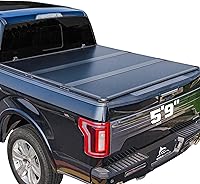
 Best for quiet, low-profile highway driving
RealTruck TruXedo Pro X15 Tonneau Cover
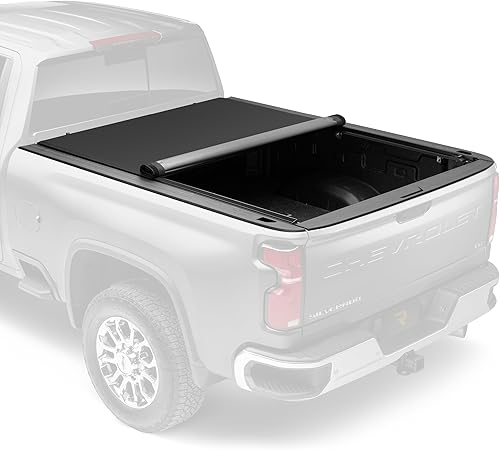
 Best for a classic vinyl cover on a budget
RealTruck TruXedo Lo Pro Soft Roll Up
TruXedo Lo Pro vs Pro X15: the quick verdict
Buy the Pro X15 for quiet highway driving and a nearly flush look. Its 5-layer RTxTechWeave cover stretches tighter than vinyl to stop flapping, and its 15-degree rails sit 33% lower than the Lo Pro's.
The Lo Pro is still a solid soft roll-up cover. TruXedo's self-adjusting spring tensioner keeps the vinyl tight all year, and the tracks mount inside the bed rails for a clean look.
Here's the short version: the Pro X15 is the newer, quieter, flatter design. The Lo Pro is the older vinyl design that costs less and does the same basic job.
Our score weighs specs, features and buyer feedback against what you're shopping for. The Pro X15 takes 9.6 and the Lo Pro takes 9.4, a small gap that reflects how close these two covers really are.
The two covers side by side
The Pro X15 leads on cover material, profile and frame strength; the Lo Pro leads on price and simplicity. The table below puts the specs next to each other.
| Feature | TruXedo Pro X15 | TruXedo Lo Pro |
|---|---|---|
| Cover material | 5-layer RTxTechWeave woven fabric | Vinyl |
| Rail design | 15-degree side rails, 33% lower profile | Tracks mount inside the bed rails, about 3/4 in above the rail |
| Tension control | DriveTight tension control | Patented self-adjusting spring tensioner |
| Frame | Aluminum cross-frame reinforcements | Standard cross-frames |
| Opening | One-finger trigger latch | Anodized single trigger latch |
| Removal | Quick-release handle, no tools | Quick-release system, no tools |
| Install | Under 30 minutes, minimal tools | No-drill clamp-on system |
| Warranty | Lifetime | Limited lifetime |
| Fit shown | 2015-2027 Ford F-150 5 ft 7 in bed | 2015-2027 Ford F-150 5 ft 7 in bed |
Both covers use a tailgate lock, so the tailgate latch secures the cover when it's closed. Neither one adds a separate keyed lock to the cover itself.
The fit line is the same for both in this comparison. That's why the choice comes down to features rather than which truck you own.
Which cover is quieter at highway speed?
The Pro X15 is the quieter cover, and the difference comes from two design choices. The 5-layer RTxTechWeave cover stretches tighter than other materials, which is what stops flapping in the first place.
TruXedo describes the Pro X15 as the quietest soft roll-up cover it makes. That's a maker claim, but the design supports it: a tighter cover plus flatter rails means less fabric catching wind.
The 15-degree side rails position the cover nearly flush with the bed rails. A lower, flatter surface reduces wind drag, which in turn reduces the lift that makes soft covers flap.
The Lo Pro's vinyl is the older approach. Vinyl covers can work well, but they tend to move more in crosswinds and at speed, and that movement is what you hear in the cab.
If you tow a trailer or drive long highway stretches with the cover closed, this is the single biggest reason to pay more for the X15.
How much does the lower profile matter?
The Pro X15 sits 33% lower than the Lo Pro, and that changes both the look and the airflow. The Lo Pro's tracks mount inside the bed, which puts the cover above the bed rail.
The X15's 15-degree rails push the cover almost flush. From the side, the difference is easy to see: the X15 reads as part of the truck, while the Lo Pro shows a visible lip.
That lower lip matters in two ways. Visually, the flush cover keeps the truck's lines cleaner.
Practically, less cover standing above the rail means less surface for wind to grab.
The 33% figure is a maker spec, not a measured difference we took ourselves. Still, it's the kind of gap you can see when the two covers are parked next to each other.
If you care how the truck looks from the side, the X15 is the better match. If you just want the bed covered, the Lo Pro's small lip is easy to live with.
Which cover material holds up better?
The Pro X15's woven RTxTechWeave is built to resist sagging; the Lo Pro's vinyl is the traditional soft-cover material. The X15 uses a textured 120-grade composite with five layers, and that layered build is what lets it stretch tighter.
Beneath the woven top, aluminum cross-frame reinforcements prevent sagging under rain, hail and snow. TruXedo says these frames are stronger than cheap imports, which is the usual weak point on budget roll-ups.
The Lo Pro uses vinyl over its frame. Vinyl is durable and easy to wipe clean, but it's a single material rather than a layered composite, so it doesn't stretch as tight.
The Lo Pro does have one smart detail: its patented self-adjusting spring tensioner keeps the vinyl tight at all times. That addresses the same problem the X15's DriveTight system solves, just with a different mechanism.
Both approaches fight the same enemy, which is a cover that goes slack with temperature changes. The X15 does it with a tighter cover and tension control; the Lo Pro does it with a spring.
Which one is easier to install and use?
Both are no-drill, tool-light installs, but the Pro X15 has the edge on opening and removal. TruXedo says the Pro X15 installs in under 30 minutes with minimal tools and one person.
The Lo Pro uses a clamp-on system that installs in a few minutes without drilling into the bed. Neither cover requires cutting or permanent changes to the truck.
For daily use, the X15 opens with one finger on its easy trigger latch. It rolls tight and stays straight, with stay-straight controls that keep it aligned whether open or closed.
When you need the whole bed, the X15's quick-release handle removes the cover in seconds with no tools. The Lo Pro has a similar quick-release system, so full removal is easy on both.
The difference is polish rather than possibility. The X15's trigger latch and stay-straight controls make the everyday open-and-close feel more refined.
Who should buy which cover?
Buy the Pro X15 if you drive at highway speed and want a quiet, flush cover. It suits owners who care about wind noise, a clean side profile and a cover that stays tight without fiddling.
The X15 also suits owners who leave the cover closed on long trips. Less flapping means less noise in the cab and less wear from fabric moving against the frame.
Buy the Lo Pro if you want a proven vinyl cover and the lower price matters more than the last bit of quiet. Its self-tensioning vinyl and inside-the-bed tracks still deliver a clean look and easy install.
The Lo Pro also suits owners who open and close the cover mostly around town. At lower speeds the flapping gap between the two covers shrinks, so the X15's main advantage counts for less.
If you're still weighing cover types in general, our guide to which tonneau cover should I buy starts from how you use the bed. And if you're deciding between a cover and a full cap, tonneau cover vs topper covers the trade-offs.
How the fit and warranty compare
Both covers fit the 2015 to 2027 Ford F-150 with the 5 foot 7 inch bed, but the warranties differ. The Pro X15 carries a lifetime warranty from TruXedo, while the Lo Pro carries a limited lifetime warranty.
That wording gap is worth a look before you order. "Limited lifetime" is not the same promise as "lifetime", and the terms spell out what each one covers.
Fit is vehicle-specific on both. The F-150 short bed takes one part number, and longer beds take another, so check your bed length rather than assuming the cover fits.
Neither cover is universal. A roll-up cover sized for one bed length won't fit another, and the rails are matched to the truck's bed rails.
If your truck isn't an F-150 short bed, the same two covers exist in other fits, but the comparison here is for the 5 foot 7 inch bed. Start with your bed length, then pick the cover.
If you want to see how these two stack up against another roll-up brand, our TruXedo vs Access tonneau covers comparison covers that matchup.
Is the Pro X15 worth the extra cost?
Yes, for most buyers, because the extra money goes into the parts that fix a soft cover's weak spots. The woven cover, the flatter rails and the aluminum cross-frames all target flapping, wind noise and sagging.
The Lo Pro is not a bad cover. It's a proven vinyl roll-up with self-tensioning and a no-drill install, and it fits the same truck for less money.
The question is what you're paying for. With the X15, you're paying for a quieter ride and a lower profile.
With the Lo Pro, you're paying less and accepting a vinyl top that moves more in the wind.
If you drive mostly short trips at city speeds, the Lo Pro's savings are real and the quiet gap matters less. If you spend hours on the highway, the X15's advantages show up every trip.
Our roundup of the best roll up tonneau cover picks puts both of these in context against other soft covers. It's a useful next stop if you haven't settled on a brand yet.
The verdict: which roll-up cover wins?
The Pro X15 wins the TruXedo Lo Pro vs Pro X15 matchup for most truck owners. Its 9.6 score reflects the tighter woven cover, the 33% lower profile and the stronger cross-frames.
The Lo Pro at 9.4 is the pick when price leads and vinyl is fine. It keeps the self-tensioning design, the inside-the-bed tracks and the no-drill install that made it a popular soft cover.
Here's the decision rule. Pick the Pro X15 if you drive at highway speed and want the quietest, flattest soft roll-up.
Pick the Lo Pro if you want a classic vinyl cover and want to spend less.
Either way, check your bed length first. Both covers shown here fit the 2015 to 2027 Ford F-150 with the 5 foot 7 inch bed, and the wrong length won't install.
If you're still deciding between a roll-up and another cover style, the tonneau cover buying guide walks through the main types. For the full field of soft covers, the roll-up cover roundup is the place to compare.
Frequently asked questions
Do both covers fit the same trucks?
Both fit the 2015 to 2027 Ford F-150 with the 5 foot 7 inch bed. Check your bed length before ordering, since these are vehicle-specific covers and the short bed and longer beds take different part numbers.
Can you open either cover with one hand?
The Pro X15 has an easy trigger latch that opens with one finger. The Lo Pro uses an anodized single trigger latch as well.
Both roll toward the bulkhead and secure with straps for near-full bed access.
Do these covers need drilling to install?
No. The Lo Pro uses a no-drill clamp-on system, and the Pro X15 installs in under 30 minutes with minimal tools.
Both mount to the bed rails without cutting into the truck.
What does each warranty cover?
TruXedo backs the Pro X15 with a lifetime warranty and the Lo Pro with a limited lifetime warranty. Read the full terms for what each one covers, since the two labels are not the same promise.